
California Cardrooms Prepare for Sweeping Rule Changes on Blackjack-Style Games
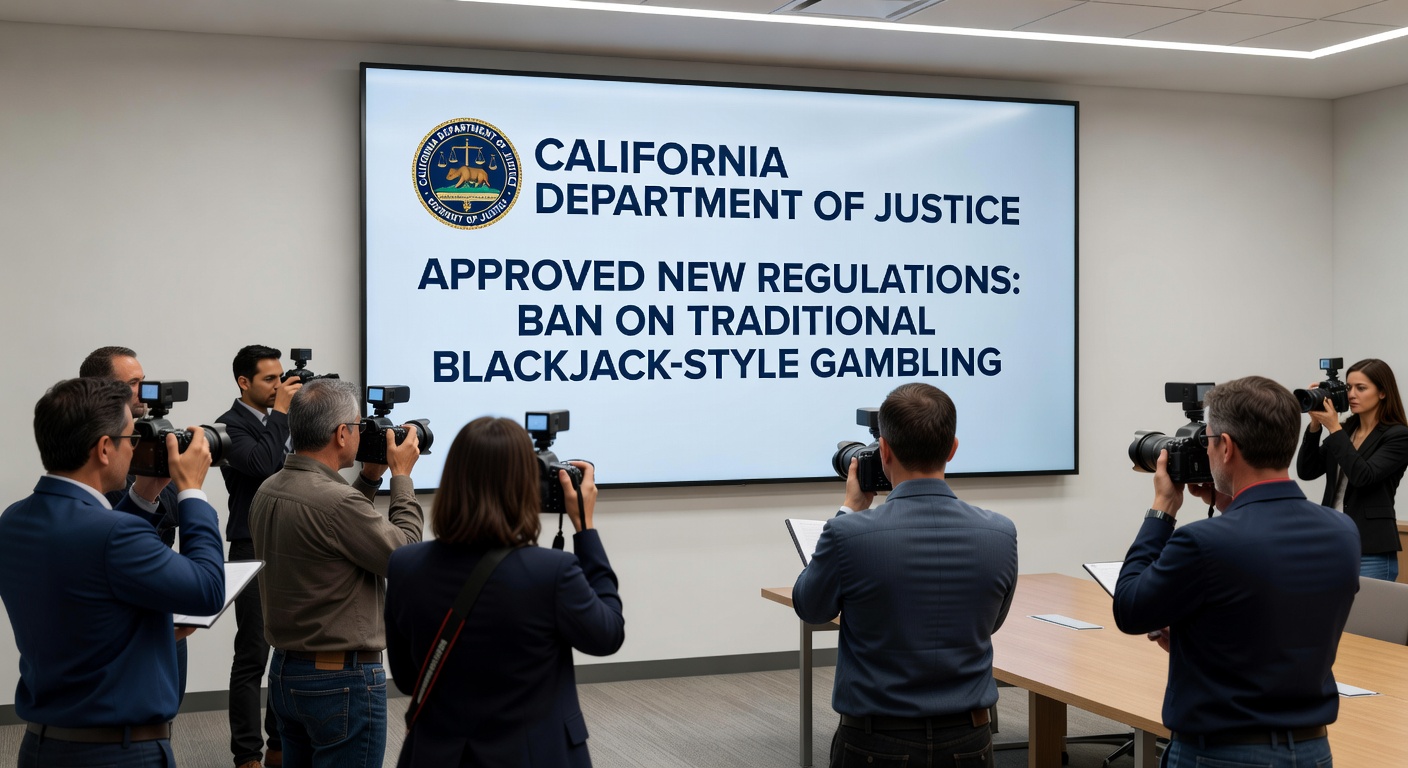
The California Department of Justice has approved regulations that prohibit traditional blackjack-style games at cardrooms across the state while placing new limits on how player-dealer positions operate, with the measures scheduled to begin on April 1, 2026. These rules address a long-standing arrangement that permitted cardrooms to offer games resembling blackjack even though state law reserves such activities for tribal casinos operating under compacts. Observers note that the changes bring greater clarity to legal boundaries that have existed for years. Cardrooms have operated player-dealer formats in which participants take turns acting as the dealer, a structure that allowed blackjack-like play without direct house banking. The new regulations restrict these formats and eliminate variations that mirror classic blackjack rules too closely. According to the approved framework, cardrooms must adjust their game offerings to stay within permitted boundaries or face enforcement actions once the April 2026 date arrives.Background on the Regulatory Loophole
State law has long distinguished between tribal casinos and non-tribal cardrooms, granting tribes exclusive rights to certain table games including blackjack. Cardrooms responded by developing player-banked models that rotated the dealer position among customers, yet many of these versions retained core blackjack elements such as hitting, standing, and payout structures that closely tracked traditional play. Over time this approach created an operational gray area that expanded across dozens of cardrooms in multiple counties.
Regulators reviewed complaints from tribal operators and examined whether these formats violated the intent of existing statutes. The Department of Justice ultimately determined that the player-dealer rotation system had effectively reopened access to prohibited games, prompting the drafting of tighter standards. Data from industry filings show that blackjack-style offerings accounted for a significant share of table game revenue at many cardroom locations prior to the rule announcement.
Key Provisions of the New Regulations
The finalized rules ban games that replicate traditional blackjack mechanics at cardrooms and impose stricter controls on player-dealer rotation. Games must now diverge more substantially from blackjack in both rules and payouts, removing options that previously allowed direct competition with tribal blackjack floors. Enforcement begins April 1, 2026, giving operators a defined window to modify or discontinue non-compliant tables.
Cardroom representatives have indicated that compliance will require substantial adjustments to floor layouts and game menus. Some locations have warned that entire table sections may close if suitable replacements cannot be developed quickly enough. Tribal representatives have expressed support for the changes, noting that the regulations restore clearer separation between licensed tribal operations and cardroom activities.
Community and Economic Considerations
Local governments that rely on cardroom tax revenue have begun assessing potential effects on employment and municipal budgets. Several cities host multiple cardrooms that together employ hundreds of dealers, floor staff, and support personnel. Industry estimates suggest that a reduction in blackjack-style tables could translate into measurable job losses once the April 2026 deadline passes, although exact figures remain subject to how individual operators adapt.
Cardroom operators have stated that some venues may not survive the transition if revenue declines sharply. At the same time, tribal casinos positioned near cardroom markets anticipate increased visitation once the competing formats disappear. State officials have pointed to the Regulations: Rotation of the Player-Dealer Position and Blackjack-Style Games as the governing document that will guide future compliance inspections.
Timeline and Next Steps Through 2026
With the effective date set for April 1, 2026, cardrooms are expected to submit revised game plans to regulators in the months leading up to implementation. By May 2026, state inspectors plan to conduct initial compliance reviews at larger facilities to verify that prohibited blackjack-style elements have been removed. Operators that fail to meet the new standards risk fines or license actions, while those that successfully pivot to approved formats may continue operations with reduced table game variety.
Both sides continue to monitor legislative activity that could affect the outcome before the deadline. Cardroom associations have discussed potential legal challenges, whereas tribal groups have urged swift enforcement to protect compact rights. The Department of Justice has signaled that guidance documents will be issued well in advance of April 2026 to assist with the transition.
Conclusion
The approval of these regulations marks a significant shift in how California distinguishes between cardroom and tribal gaming activities. As April 1, 2026 approaches and subsequent compliance checks unfold in May, the outcomes will shape employment levels at cardrooms, revenue streams for local communities, and competitive dynamics across the state's gaming landscape. Observers continue to track filings and public statements to understand how operators and regulators navigate the new requirements.